Where It All Began
1970s: Where It All Began
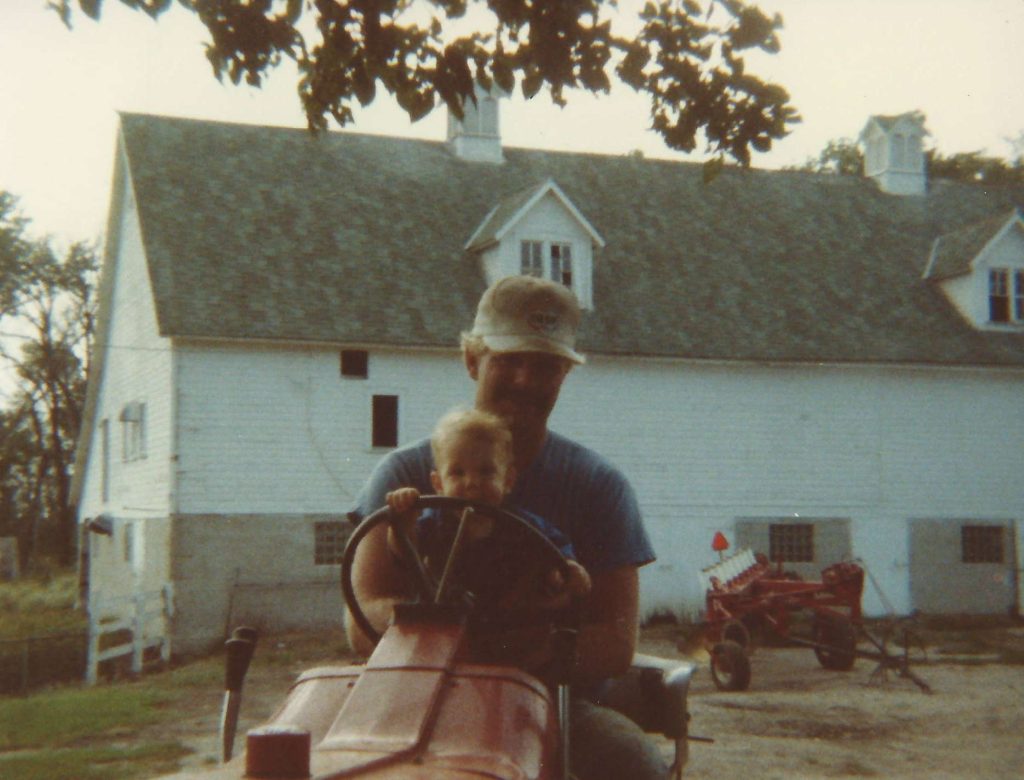
Schwartz Farms started the same way many family farms do – with a strong foundation and a willingness to work.
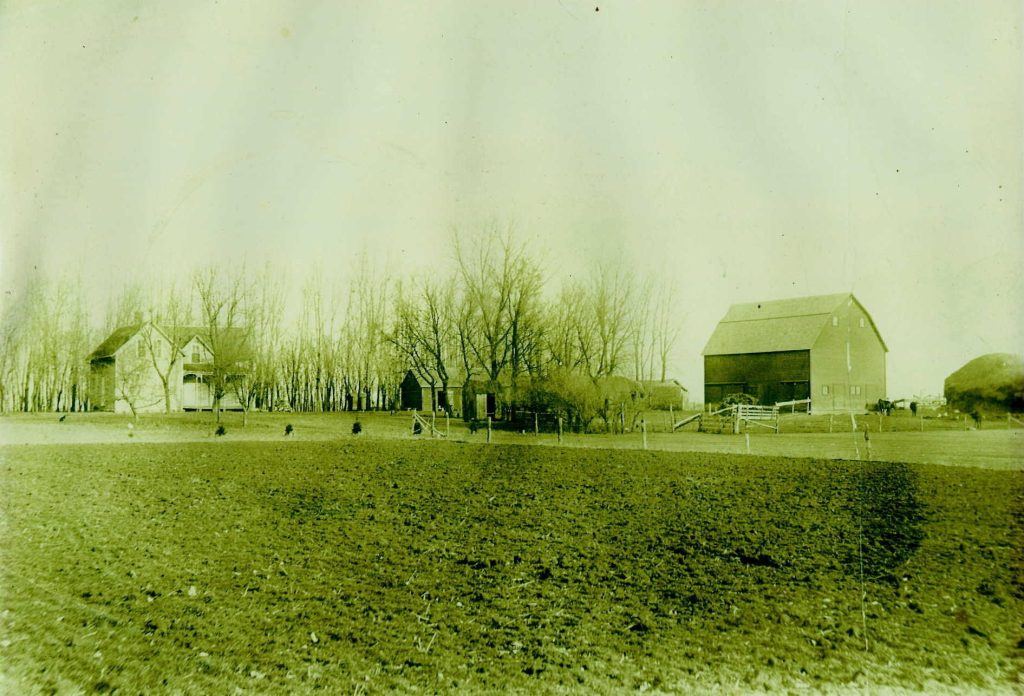
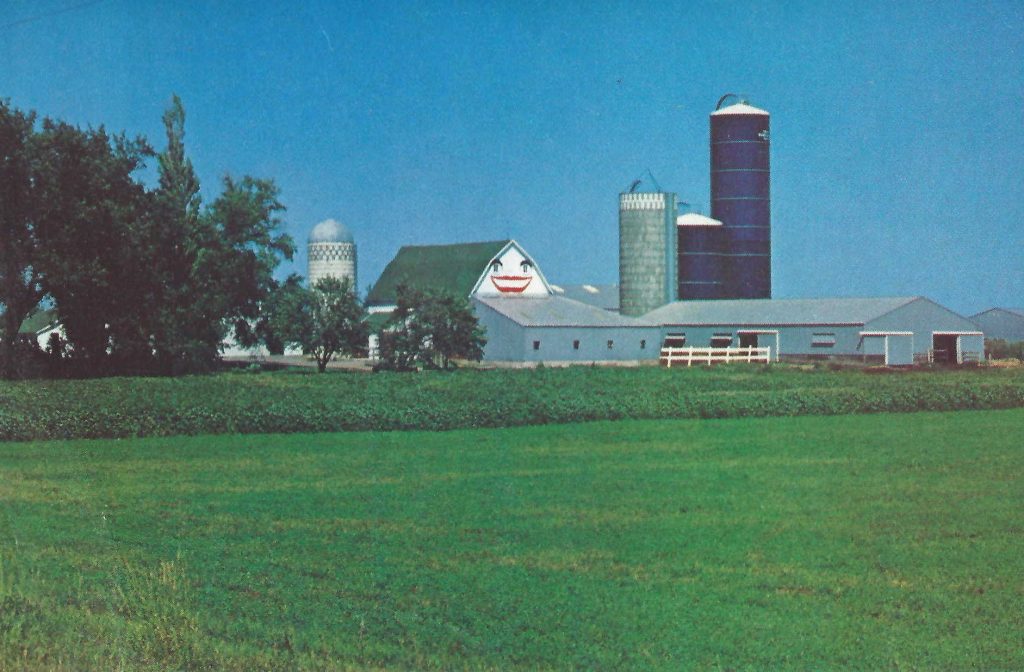
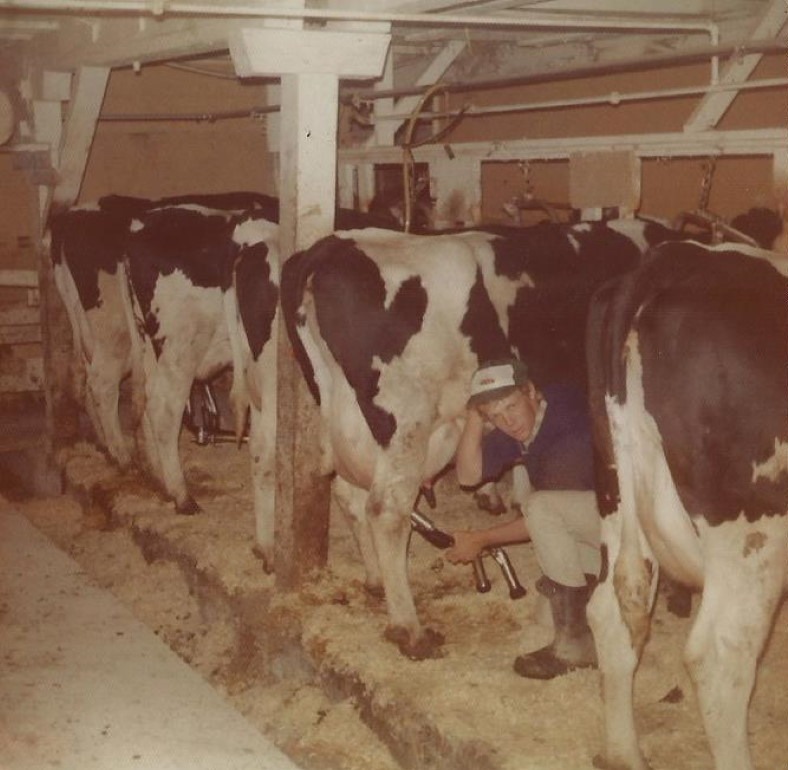
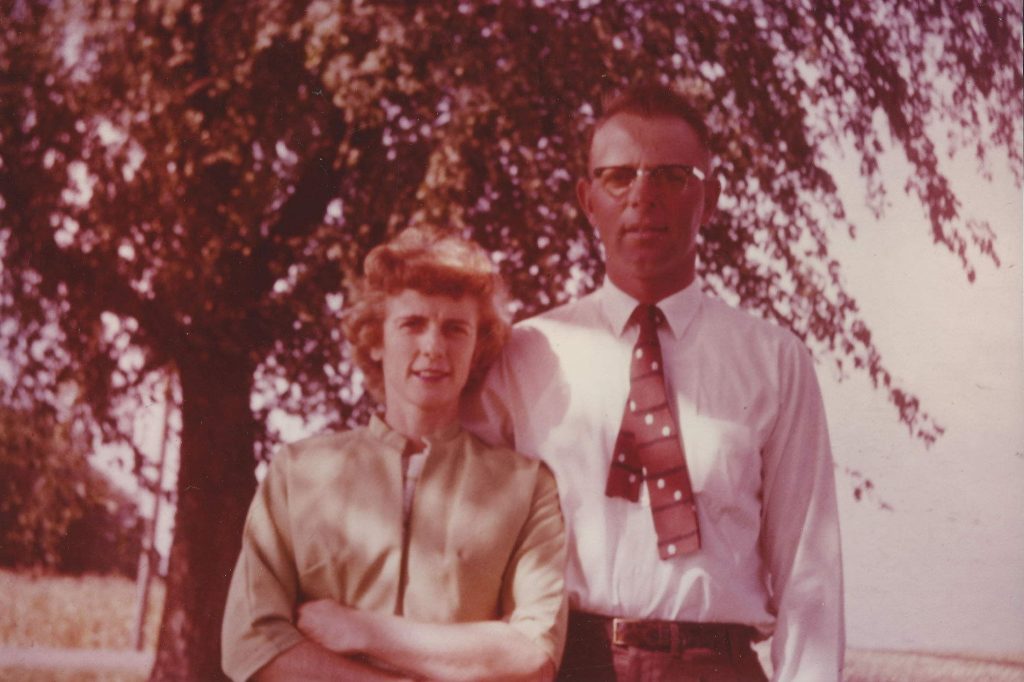
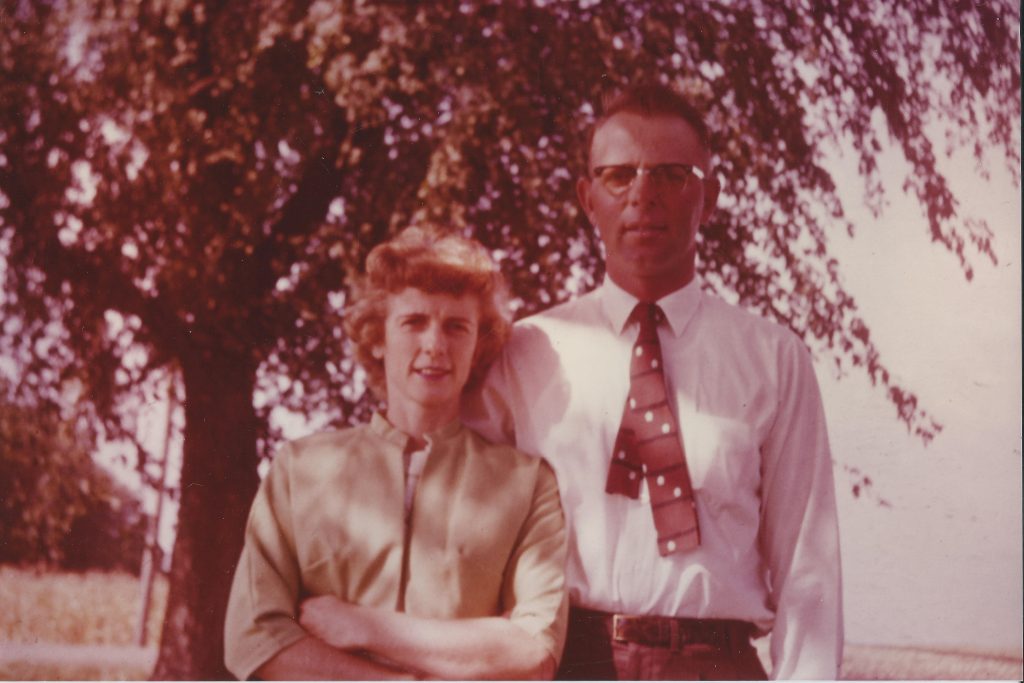
John, Joe, and Mark Schwartz grew up on their parents’ dairy farm near Sleepy Eye, Minnesota. Their parents, Jim and Irene, instilled values that still guide us today: humility, care, integrity, discipline, and excellence.
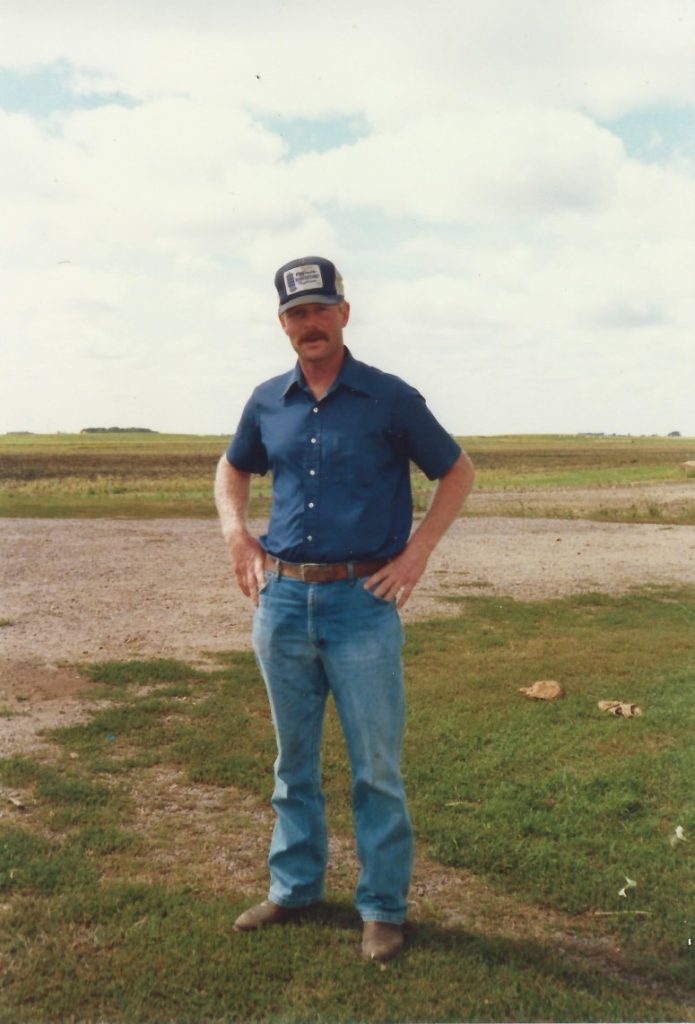
In the late 1970s, the brothers began farming together – raising crops, sharing equipment, and learning the business side by side.
Early 1980s: An Unexpected Start in Pork
Early 1980s: An Unexpected Start in Pork
Our start in pork production wasn’t part of a big plan – it was practical.
“We had corn spill out of a grain bin and needed a way to use it,” Joe recalls. “So we bought a few feeder pigs.”
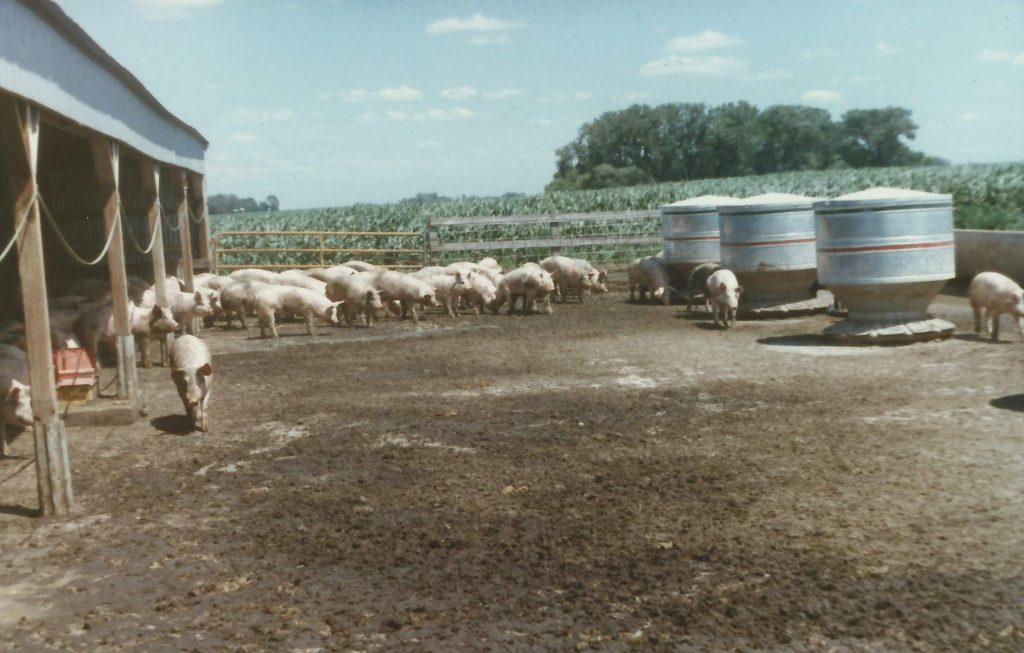
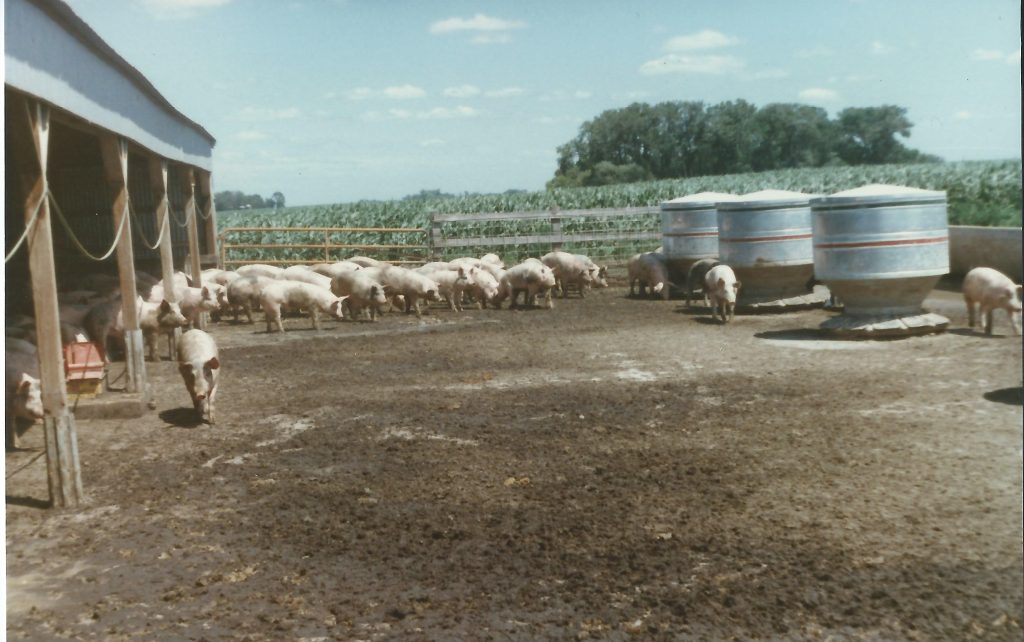
Those first pigs were raised outdoors, and before long, a grain storage building was converted into a finishing barn.
“We really thought we had something back then,” John said.
Through the 1980s, the operation slowly grew – adding feeder pigs, renting facilities, and building barns where it made sense.
1990s: Adapting to a Changing Industry
1990s: Adapting to a Changing Industry
The 1990s brought major change across the pork industry, and Schwartz Farms made a choice early on – to adapt and move forward.
In 1990, Schwartz Farms, Inc. was officially formed. During this time, the company:
- Began operating farrowing units
- Pioneered one of the first farrow-to-wean contracts in Minnesota
- Transitioned toward more specialized production systems
- Hired its first non-family employees
By 1996, the team introduced wean-to-finish production—becoming one of the first in the state to move away from the traditional nursery-to-finish model.
“It gave us more flexibility and helped streamline everything,” John shared.
Late 1990s–Early 2000s: Building Momentum
Late 1990s–Early 2000s: Building Momentum
Growth during this time was steady and intentional.
In 1998, Schwartz Farms acquired a 5,000-head sow farm—doubling sow capacity and marking a major turning point for the business.
“That was a big undertaking at the time,” Mark said.
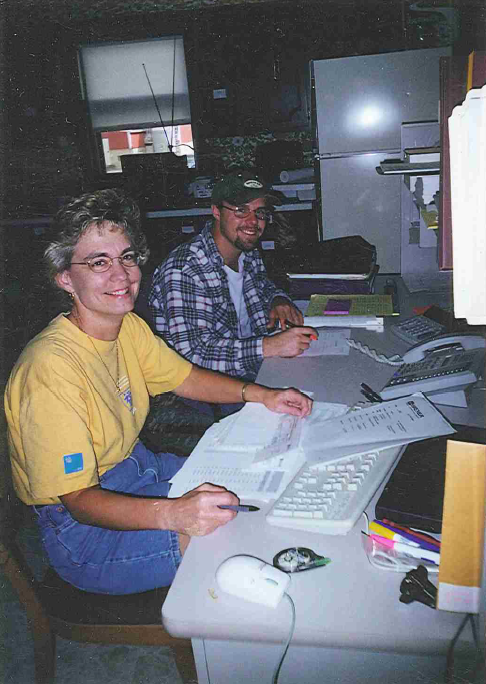
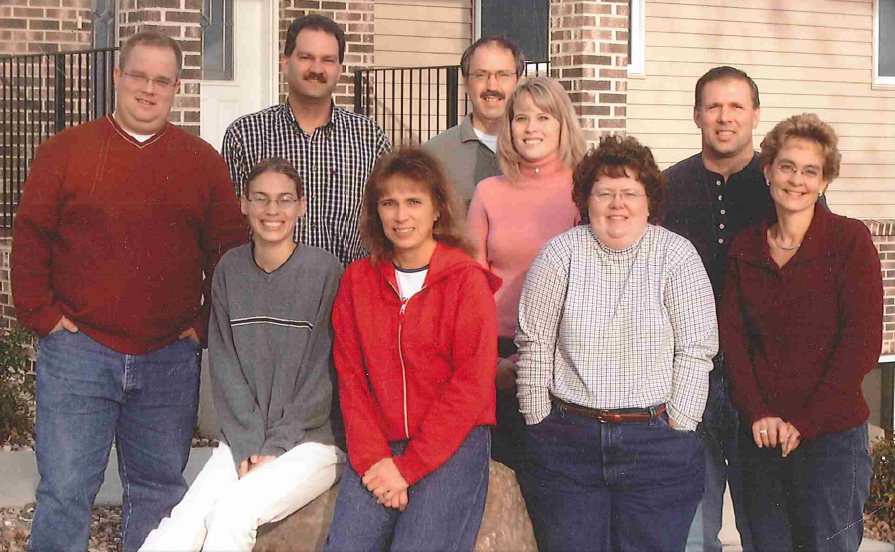
As the operation grew, so did the team. Talented employees and trusted partners became a critical part of the journey—many of whom are still with the company today.
“It’s always been a team effort,” John said.
2000s: Expanding the Footprint
2000s: Expanding the Footprint
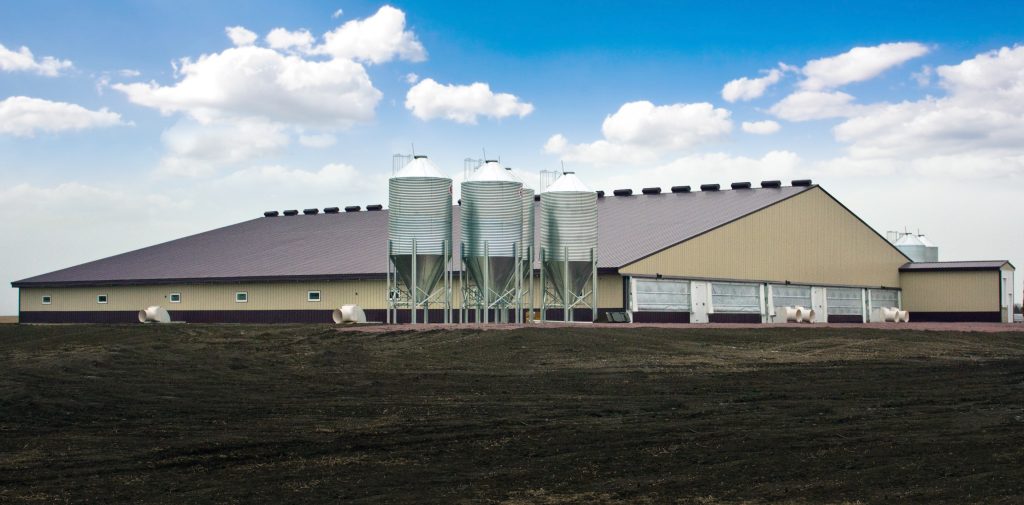
With a strong foundation in place, Schwartz Farms continued to grow across the Upper Midwest.
- Expanded into South Dakota with additional farm operations
- Invested in modern production practices like AI breeding and updated housing systems
- Built the first company-owned finishing farms in 2005
- Continued strengthening relationships with independent farm families
Growth wasn’t just about size—it was about doing things the right way and building long-term partnerships.
2015: A Major Step Forward
2015: A Major Step Forward
In 2015, Schwartz Farms expanded into Nebraska with the purchase of additional sow farms—one of the largest growth milestones in company history.
This expansion strengthened the company’s ability to serve partners and positioned the business for long-term stability.
2020: Navigating Uncertainty
2020: Navigating Uncertainty
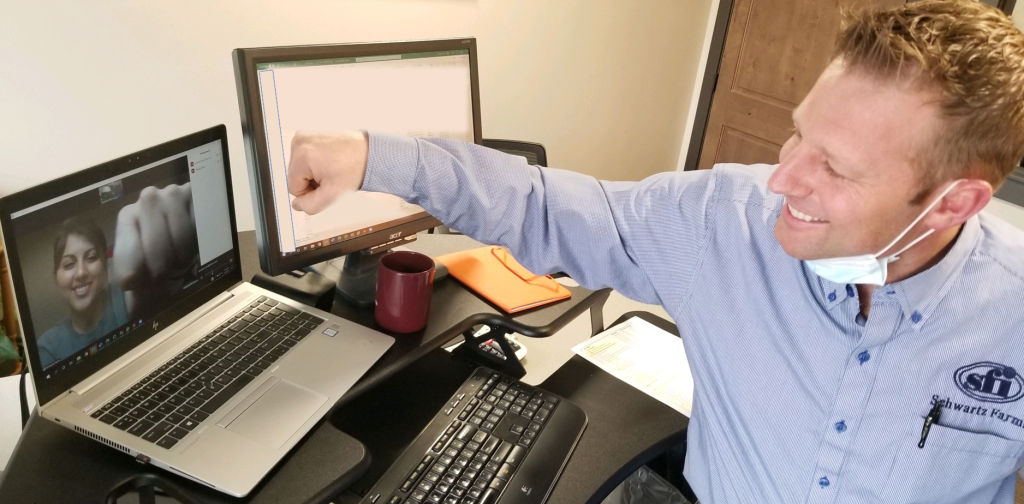
Like the rest of the agriculture industry, Schwartz Farms faced one of its most difficult seasons during the COVID-19 pandemic.
The challenges required tough decisions and constant communication—but through it all, the team stayed focused on doing what was right for the animals, employees, and partners.
Today: Built by People
Today: Built by People
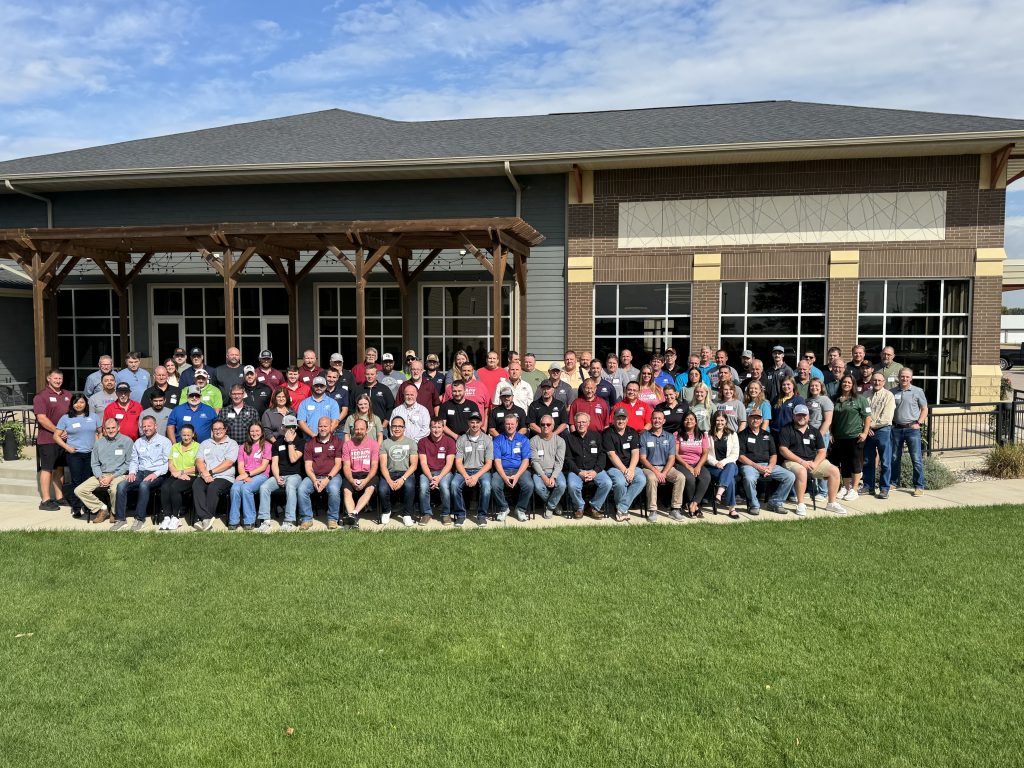
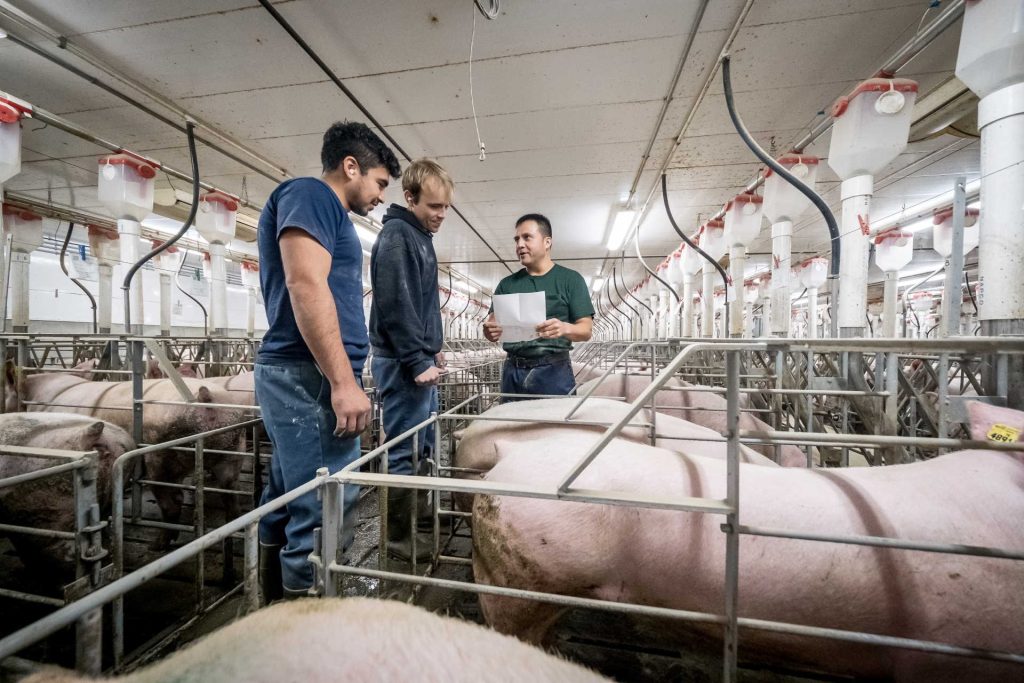
Today, Schwartz Farms includes hundreds of employees and more than 300 independent farm families across Minnesota, Iowa, South Dakota, Nebraska, and Kansas.
“We owe everything to our people,” John says. “You can’t do this without good people around you.”
That belief shapes how we operate:
- We trust our team
- We listen to the people closest to the work
- We value effort, learning, and doing things the right way
“You’ll never get in trouble for making a good and honest mistake,” John often says. “Good people make good mistakes.”